

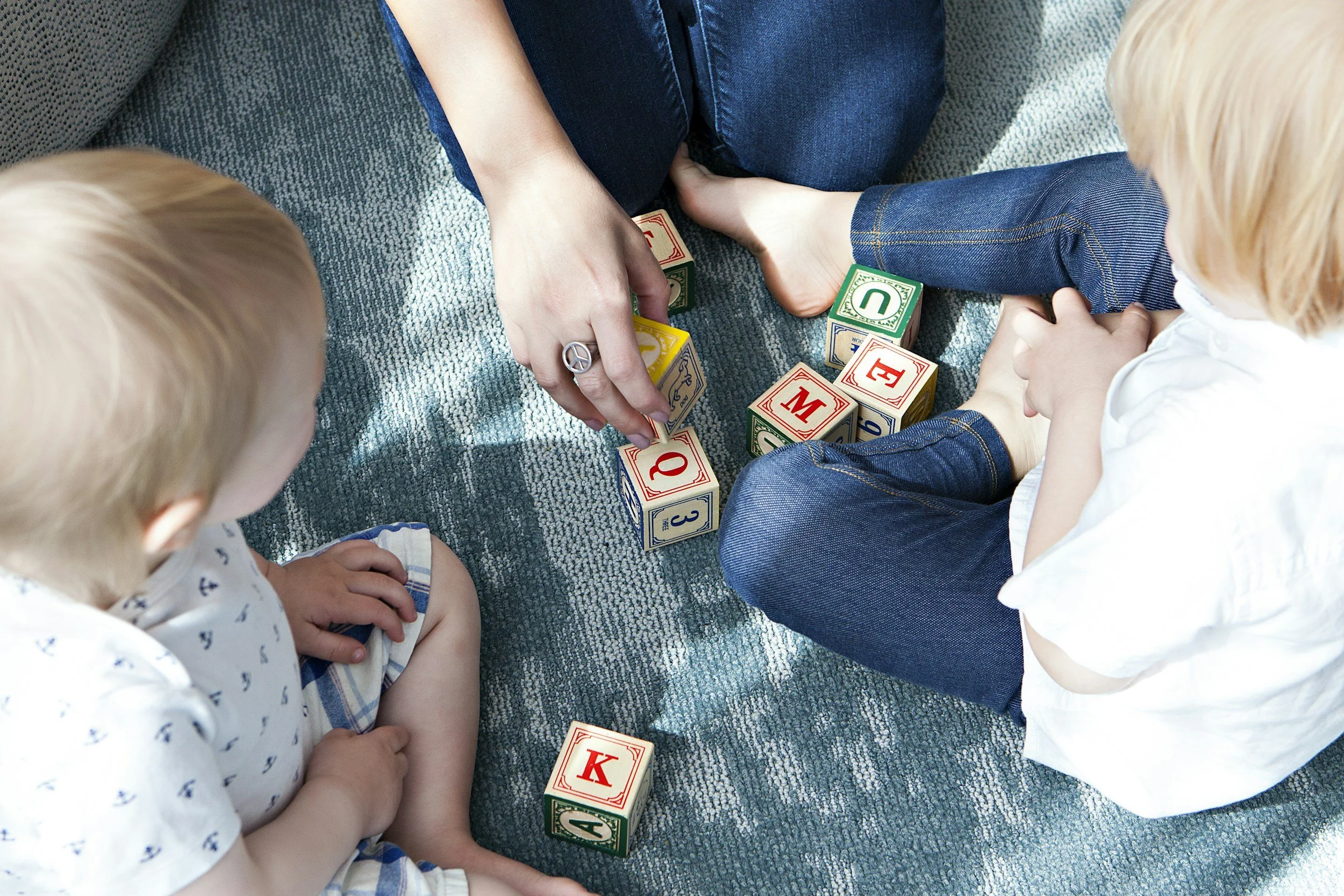
Creating Safety Before Connection
Why This Step Matters
Children do not open up simply because they are told to.
They open up when they feel safe.
If a child feels unsure, guarded, or resistant, that is not something we try to push through. It is something we take the time to understand.
Because connection cannot happen without trust. And trust cannot happen without safety.
Let’s See It From Their Perspective
Take a moment and imagine this.
You are sitting in a room with someone you have never met.
They are asking you to talk about your feelings, your family, and experiences you may not even feel comfortable sharing with the people closest to you.
Most adults would struggle with that.
So when a child hesitates, avoids, or shuts down, it makes sense.
They are not being difficult.
They are protecting themselves.
Why Patience Is Everything
This part of the process takes patience. Not because nothing is happening, but because something very important is happening quietly.
And when children feel rushed, they tend to pull back. When they feel safe, they begin to move forward.

A Gentle Reminder
This process is not about forcing a relationship.
It is about making it safe enough for one to grow.
When a child feels understood, respected, and emotionally safe, something shifts.
They begin to soften.
They begin to trust.
And eventually, they begin to reconnect.
That is where real progress begins.
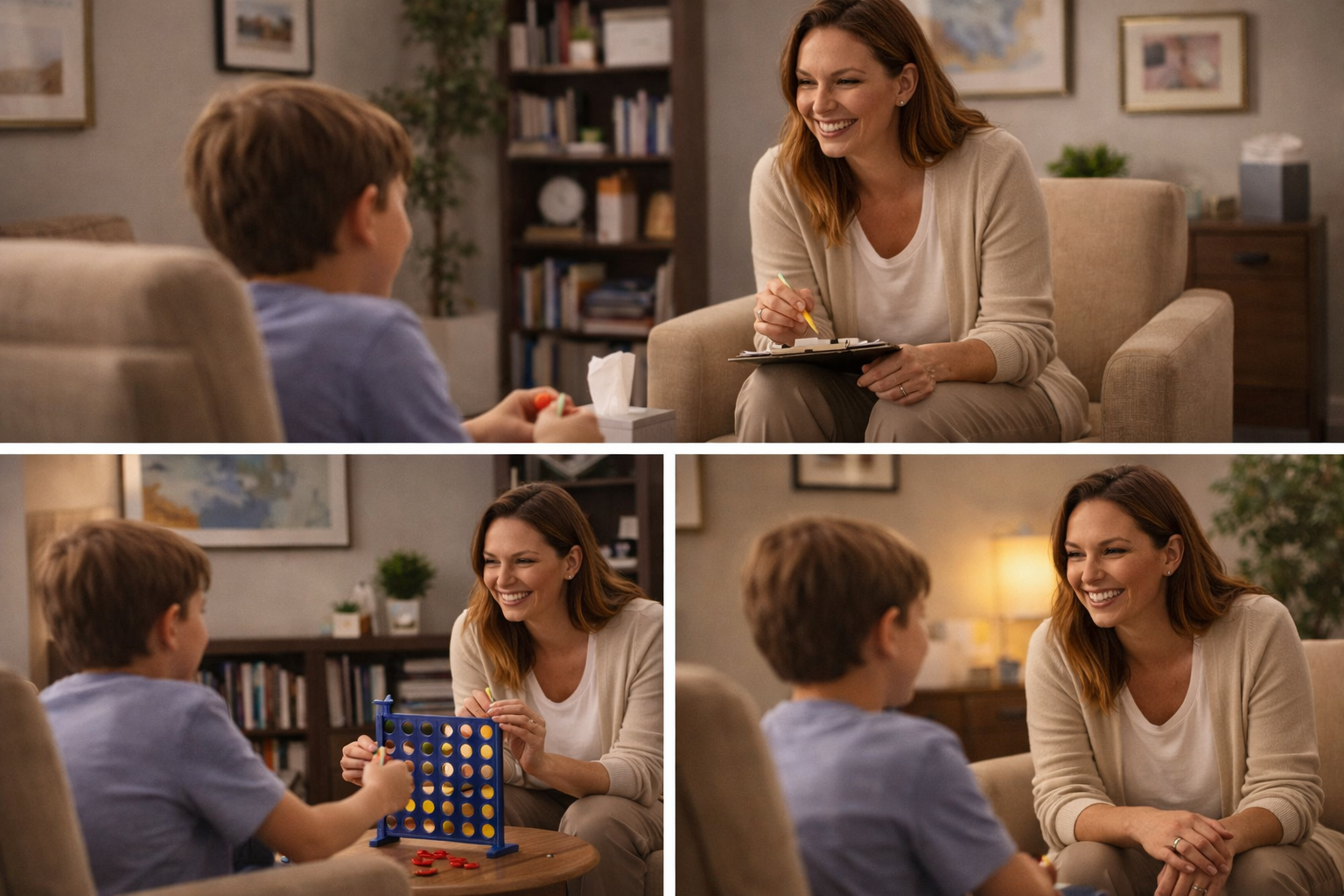
What We Are Actually Doing in This Phase?
Building rapport is not about diving into heavy conversations right away. It is about creating a space where your child can begin to feel comfortable being themselves.
That may look like
• Talking about their interests or daily life
• Allowing moments of silence without pressure
• Letting them lead conversations at times
• Meeting them with calm, consistency, and respect
• Showing them they do not have to perform or say the “right” thing
We are building a relationship first. Everything else comes after that.
What Parents Often Notice
Sometimes parents expect to see immediate progress. It is completely understandable.
But this phase may feel slower from the outside.
What is actually happening is
• Your child is beginning to feel less guarded
• The space starts to feel safer
• Resistance slowly decreases
• Trust begins to form
And that trust becomes the foundation for everything that follows.
Your Role in This Phase
Your role is simple, but powerful.
Give your child permission to take their time.
This means
• Avoiding pressure or repeated questioning
• Trusting the process even when it feels slow
• Supporting your child without trying to control the pace
• Understanding that comfort comes before connection
The more your child feels that there is no pressure, the more likely they are to open up naturally.