


A Child Centered Clinic in Montebello and Newport Beach CA
Using Our Quiroz Bridge Method Of Reunification Therapy
What is the Quiroz-Bridge Method?
At The Couples Therapy and Reunification Counseling, our work with children is guided by the Quiroz Bridge Method a child-centered, trauma-informed approach developed by our founder through years of clinical practice, court-involved cases, and lived experience supporting families through separation, conflict, and reunification.
This method was created in response to a common concern we saw repeatedly:
children were being asked to heal in ways that felt too fast, too adult, or too overwhelming for their nervous systems.
Why Somatic and Sensory Support Is Integrated Into Every Phase
Reunification is not solely a cognitive or relational process. It is a neurobiological process.
Children impacted by conflict, estrangement, or perceived threat often experience autonomic nervous system dysregulation. Their resistance may present as shutdown, avoidance, agitation, defiance, or emotional numbing, not because they are unwilling, but because their nervous system perceives danger.
Somatic and sensory interventions are integrated into every phase of the BRIDGE Model because:
The body stores threat before the mind can reason
Cognitive reassurance does not override a dysregulated nervous system
Regulation must occur before connection is possible
Somatic and sensory supports help children:
Identify internal states of safety and distress
Regulate arousal before and during contact
Increase window of tolerance for relational engagement
Prevent retraumatization during reunification steps
By embedding sensory regulation throughout each phase, the BRIDGE Model ensures that progression is guided by physiological readiness, not external pressure. This results in increased emotional resilience, reduced fear responses, and improved relational capacity.
How the Method Works
The Quiroz Bridge Method uses an eclectic approach, thoughtfully integrating evidence-based practices that support children emotionally, relationally, and neurologically. These include:
• Attachment-based therapy
• Trauma-informed care
• Play and expressive therapies
• Somatic and sensory regulation techniques
• Developmentally appropriate emotional processing
• Structured reunification and family systems work
By blending these approaches, the method supports the whole child—not just behavior, but emotions, body responses, and relational needs.
Why It’s Different
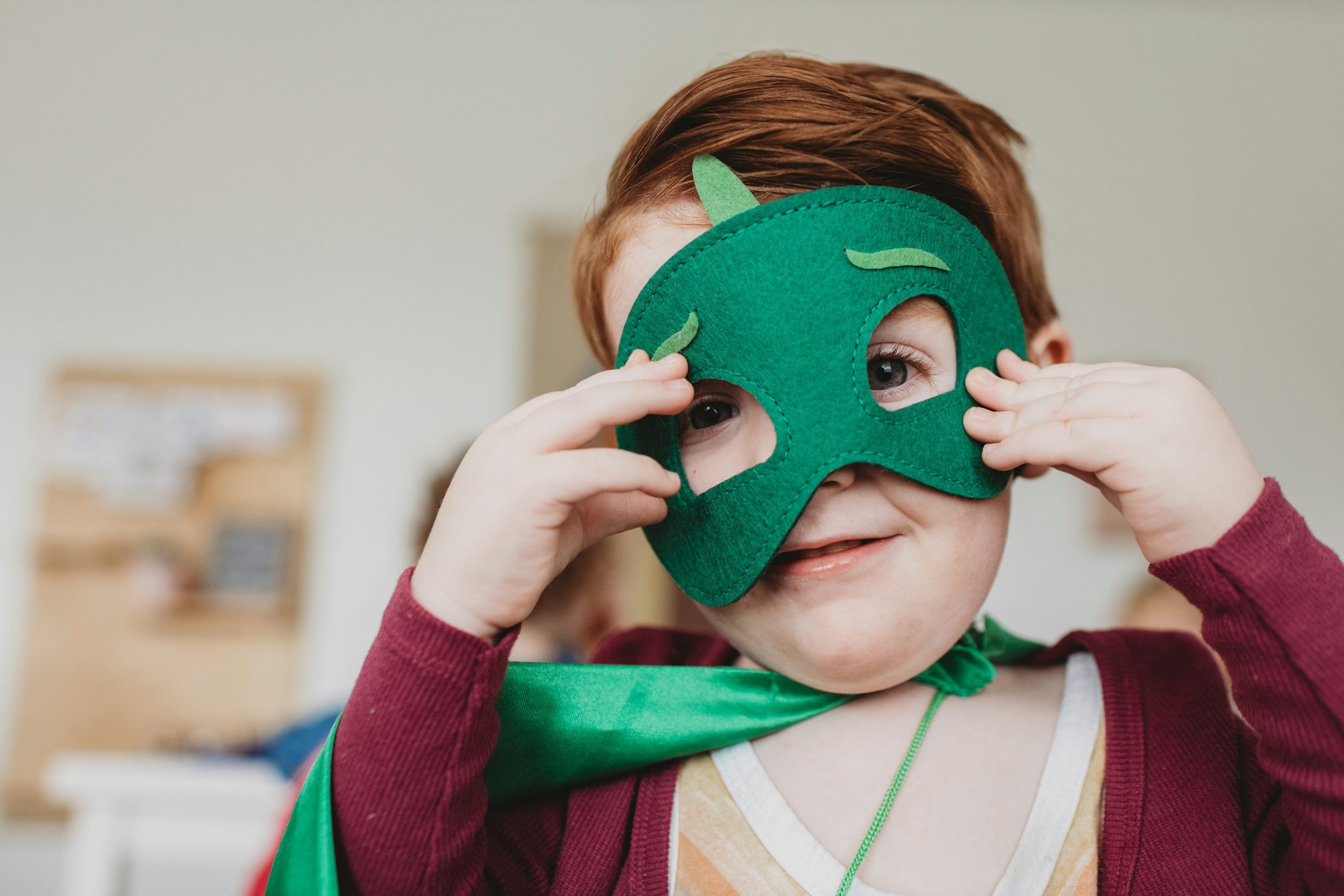
Children communicate through play, movement, imagination, and connection.
The Quiroz Bridge Method honors this by meeting children where they are, not where adults expect them to be.
Instead of relying on heavy conversation or pressure, we use gentle structure, predictability, and creativity to help children:
• Feel safe in their bodies
• Express feelings without fear or loyalty conflicts
• Build trust with the therapist first
• Strengthen emotional regulation
• Gradually reconnect in a way that feels secure and respectful
Healing happens when children feel protected—not rushed.
A Bridge Toward Healing
The “bridge” represents the careful, intentional steps children take as they move from emotional protection toward connection, confidence, and healing. Each phase is guided by the child’s readiness, not a rigid timeline.
By protecting childhood joy while addressing emotional wounds, the Quiroz Bridge Method allows children to heal without losing their sense of play, innocence, or self.
This is how we help children stay young at heart—while building the emotional foundation they need for healthier relationships and a stronger future.
Our therapists integrate proven, child-friendly modalities such as:
Play Therapy – allowing children to explore emotions and build coping skills through the language of play.
Art Therapy – giving kids the freedom to express feelings through creativity when words are hard to find.
EMDR (Eye Movement Desensitization and Reprocessing) – adapted for children to gently process trauma and reduce anxiety in a safe, age-appropriate way.
Attachment-Focused & Family Work – strengthening the parent-child bond and restoring trust within the family system.
Family Systems Approach – understanding that children don’t exist in isolation, we work with the entire family to strengthen bonds, repair trust, and create healthier dynamics.
Our mission is to help children heal while protecting their laughter, curiosity, and innocence, so they can grow resilient, confident, and still joyfully young at heart.
Why Somatic and Sensory Support Is Integrated Into Every Phase
And Why Reunification Begins at Phase 0
The BRIDGE Model was developed to address a critical gap in traditional reunification therapy models: many approaches focus on behavioral compliance and contact restoration rather than emotional safety, nervous system regulation, and attachment repair.
The BRIDGE Model is intentionally child centered, trauma informed, developmentally responsive, and phased, ensuring that reunification is not rushed, forced, or destabilizing. It recognizes that children involved in high conflict separation, estrangement, or alienation often experience chronic stress, loyalty conflicts, fear conditioning, and attachment disruption. These experiences cannot be resolved through exposure alone.
The BRIDGE Model creates a structured therapeutic pathway that:
Protects the child’s emotional and psychological safety
Restores trust gradually rather than through pressure
Aligns with attachment theory, trauma research, and AFCC guidelines
Produces sustainable relational repair rather than short term compliance
Rather than asking the child to adapt to adult expectations, the BRIDGE Model adapts the therapeutic process to the child’s developmental and emotional capacity.
Why Somatic and Sensory Support Is Integrated Into Every Phase
Reunification is not solely a cognitive or relational process. It is a neurobiological process.
Children impacted by conflict, estrangement, or perceived threat often experience autonomic nervous system dysregulation. Their resistance may present as shutdown, avoidance, agitation, defiance, or emotional numbing—not because they are unwilling, but because their nervous system perceives danger.
Somatic and sensory interventions are integrated into every phase of the BRIDGE Model because:
The body stores threat before the mind can reason
Cognitive reassurance does not override a dysregulated nervous system
Regulation must occur before connection is possible
Somatic and sensory supports help children:
Identify internal states of safety and distress
Regulate arousal before and during contact
Increase window of tolerance for relational engagement
Prevent re-traumatization during reunification steps